Build a Calm, Clever Home Refill Station
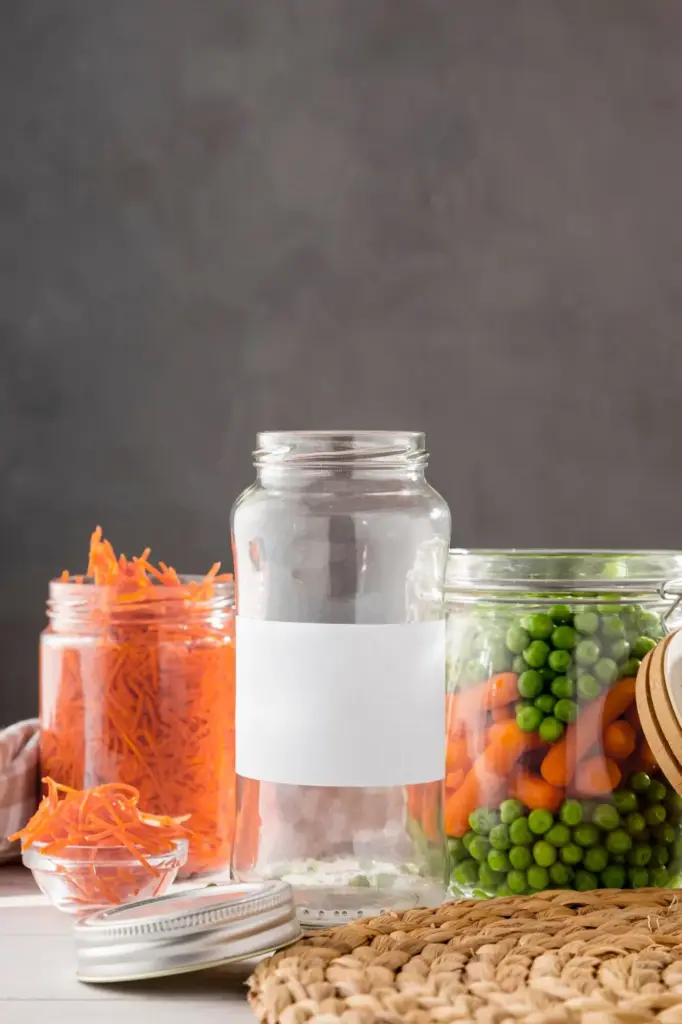
Today we’re diving into setting up a home refill station, focusing on containers, tools, and labeling that make everyday routines cleaner, safer, and calmer. You’ll discover how deliberate choices in materials, sizes, and workflow turn cluttered shelves into a smooth, sustainable system. We’ll cover practical kits, maintenance rituals, and quick labeling wins so refills happen faster, spills shrink dramatically, and everyone in the household can find, use, and return supplies without confusion.

Find the Right Spot and Shape the Flow

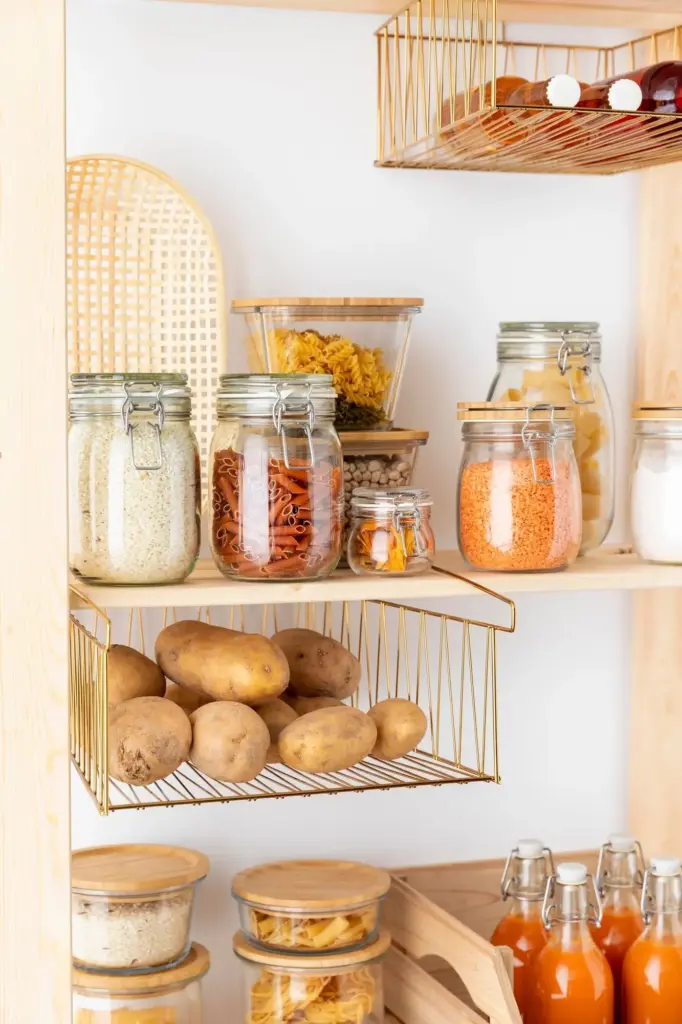
Before buying anything, choose a spot where movement is natural, lighting is generous, and ventilation keeps fragrances from lingering. Measure heights for your tallest jars, confirm weight limits for shelves, and think about kid access. Sketch a simple path from empties to cleaning, refilling, labeling, and storage. Add a small mat to catch drips and a bin for worn labels. A tidy, predictable flow reduces messes before they start.

Containers That Keep Ingredients Happy
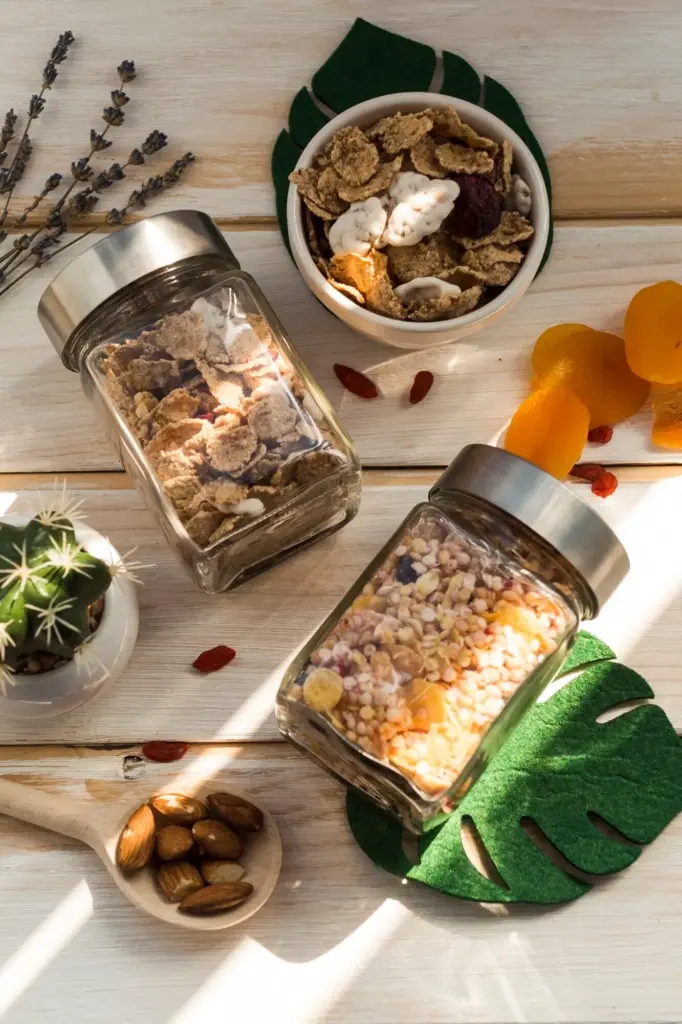
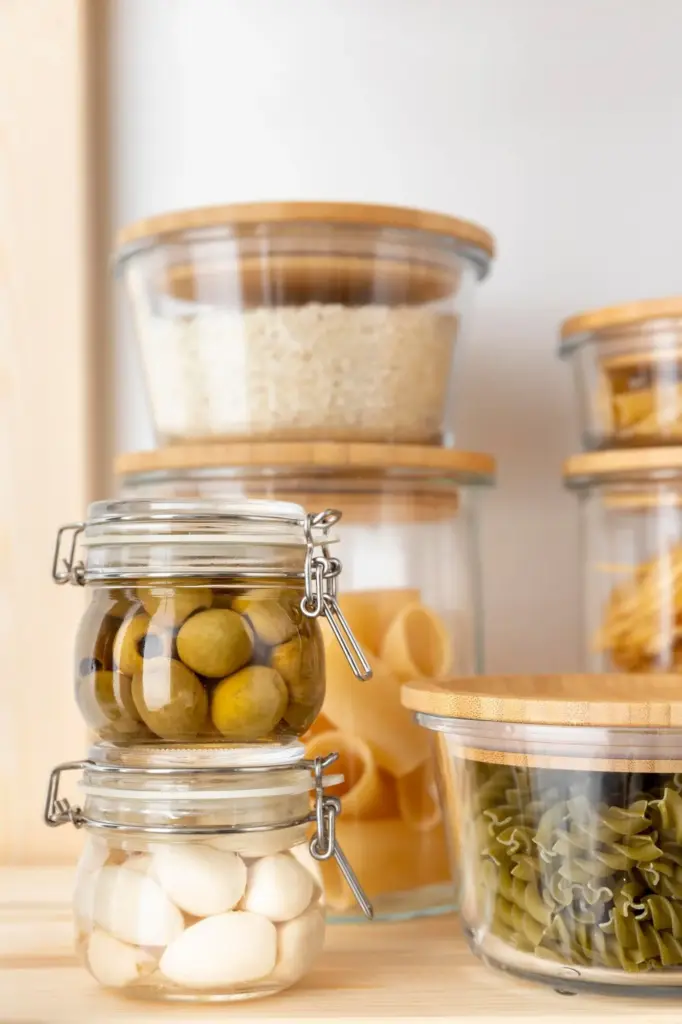
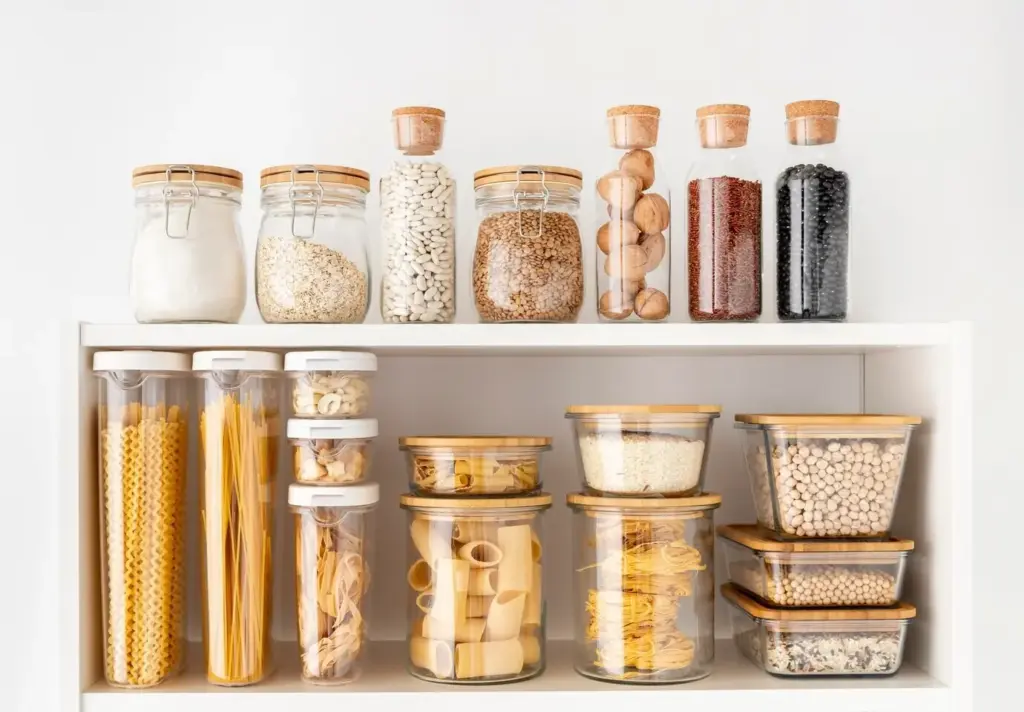
Choosing containers is chemistry and ergonomics combined. Glass shines with oils and food, stainless resists dents and shields light, and HDPE #2 handles many detergents safely. Wide mouths simplify cleaning and pouring; narrow necks suit accurate pumps. Match volume to usage: bulk storage stays grounded, daily decanters get handles. Consider UV-blocking amber, silicone bumpers, and tamper-evident rings. Good containers protect ingredients and your patience.

Tools That Make Refilling Effortless

Tools shrink frustration and transform refills into a quick, satisfying routine. Funnels guide flow, scoops speed dry transfers, and pumps banish heavy-lifting for liquids. A digital scale brings precision, while squeegees, labels, and microfiber handle cleanup. Consider a drip tray, collapsible funnel, and spare caps to prevent pauses. With the right kit, you’ll refill in minutes, not afternoons, and keep counters shining without constant scrubbing.

Liquids toolkit that earns its keep

Pair a locking pump with your most-used soaps and detergents to avoid wrestling heavy jugs. A small peristaltic or gravity tap can move viscous liquids cleanly. Keep silicone funnels for hot-fill tolerance and a turkey baster for unreachable leftovers. Dedicated microfiber and neutral cleaner reset the station quickly. Store everything in a shallow bin so the whole kit moves as one.

Dry goods toolkit for smooth pours

An adjustable canning funnel keeps flour, rice, and beans flowing without dust clouds. Anti-static scoops reduce cling with fine powders like baking soda. Long-handled measuring spoons reach deep jars cleanly. A bench scraper and soft brush reclaim every last oat from bins. If spills happen, a handheld vacuum nearby ends the drama before tiny grains migrate into cabinet corners forever.
Labels You Can Read in Two Seconds
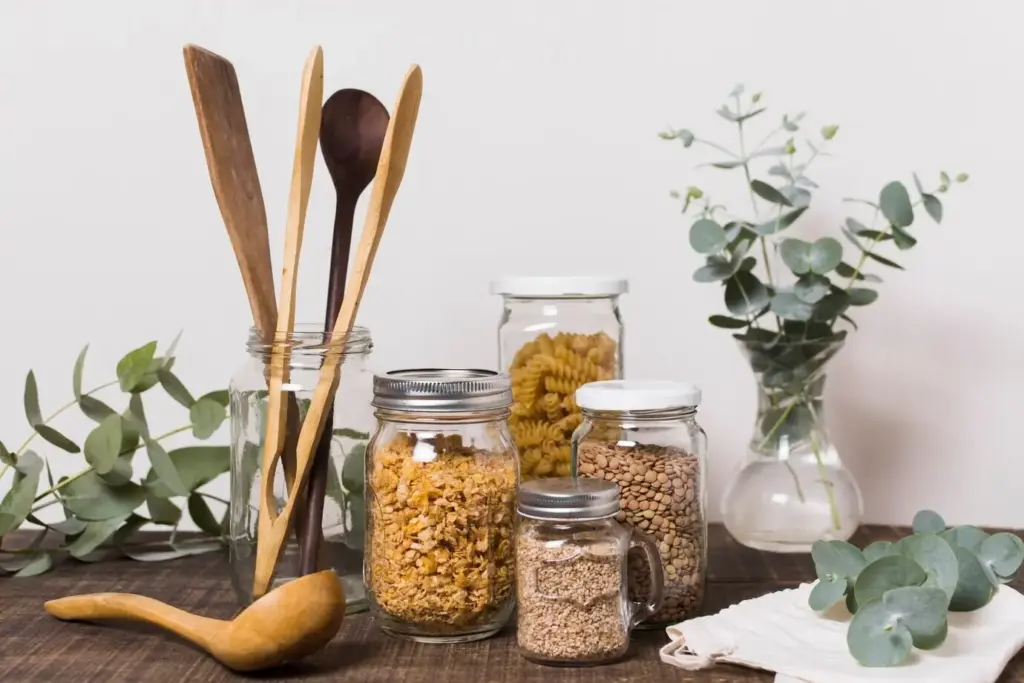
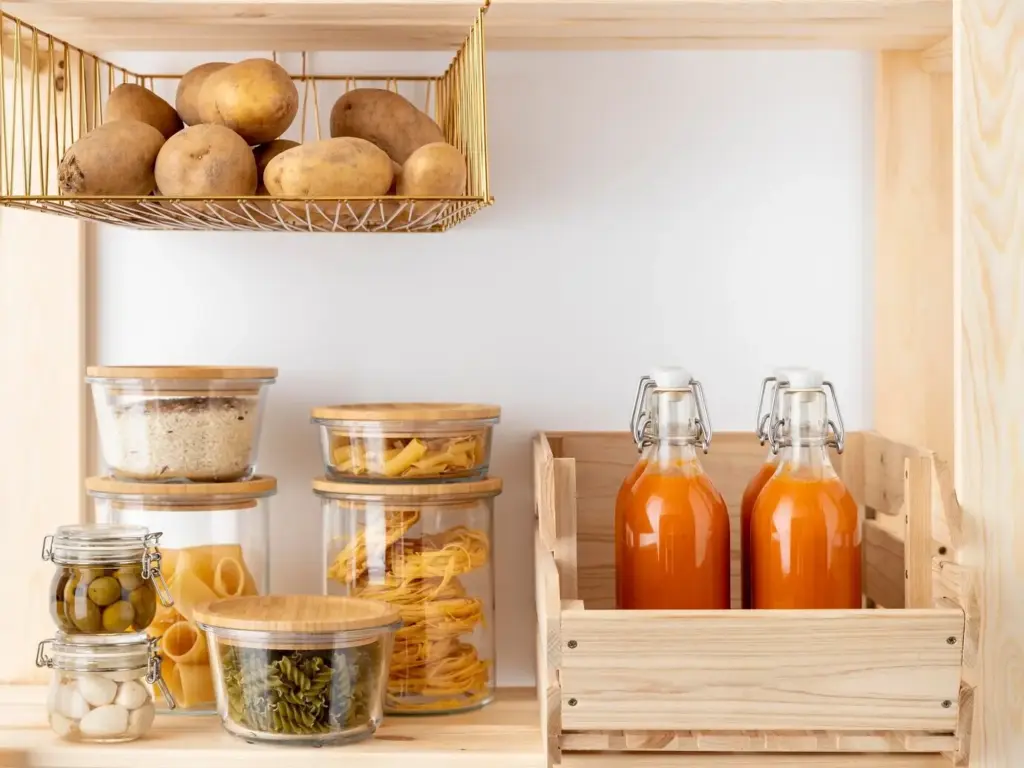
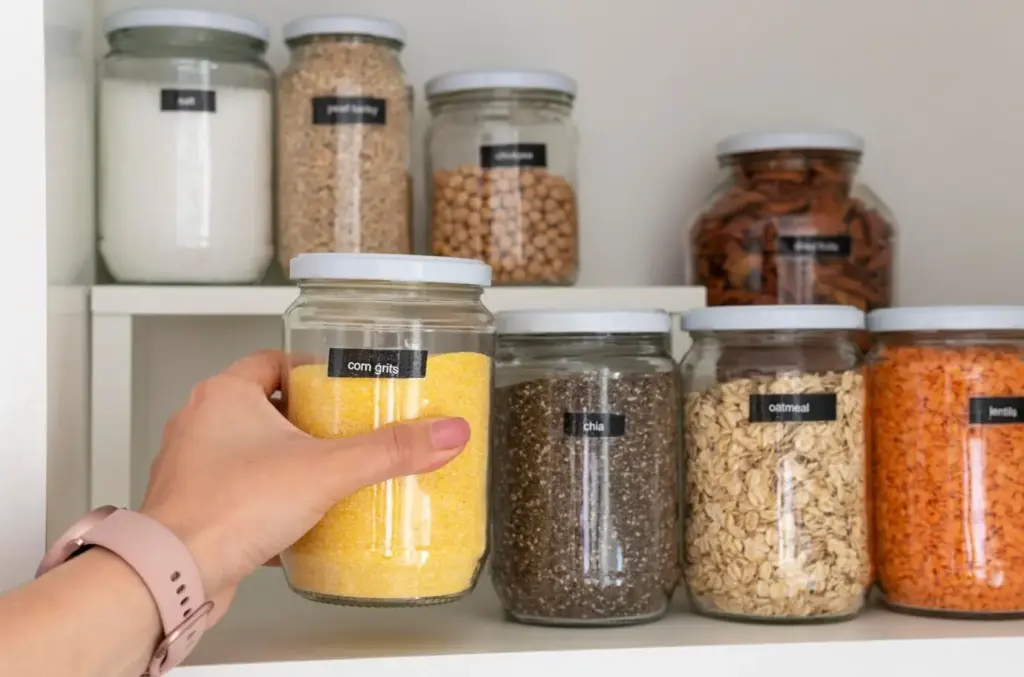
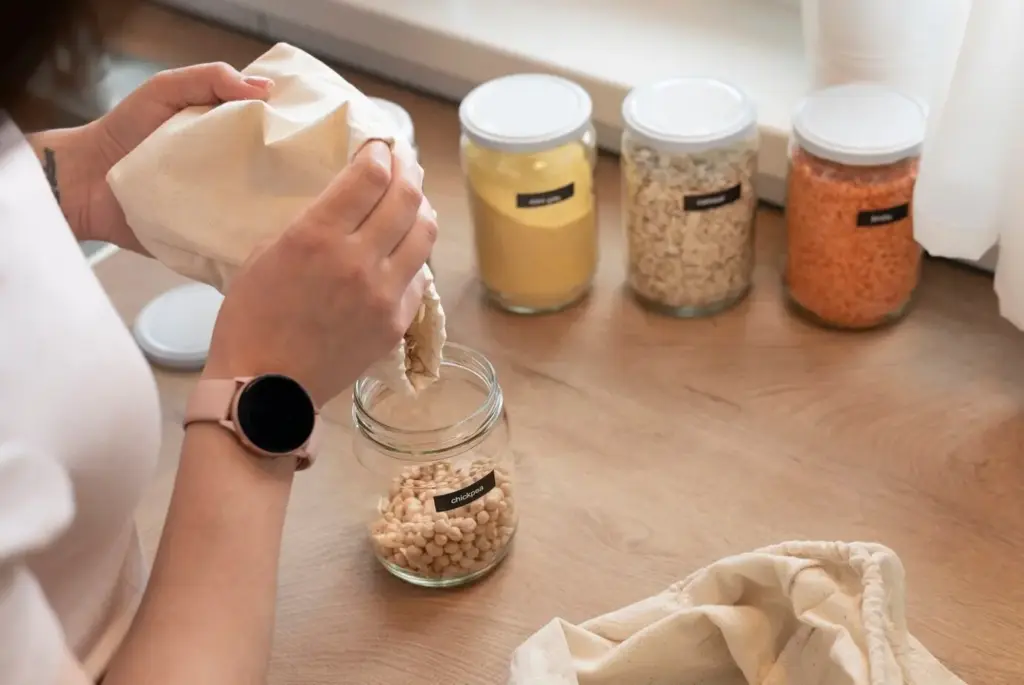
Clear labels save time, prevent mistakes, and invite others to help. Use large, high-contrast names, a second line for key details, and icons that connect instantly with the task. Waterproof vinyl, paint markers, or a thermal printer resist damp hands. Color-code by room or activity. Add refill dates and dilution notes. When everyone can understand a bottle in two seconds, the whole household moves in sync.

Cleaning Routines That Prevent Crossed Wires

Clean containers protect product quality and family health. Rinse residue promptly, wash with warm soapy water, and air-dry upside down on a rack. Sanitize when appropriate: 70% isopropyl alcohol for many surfaces, a brief boil for heat-safe glass, or a dilute bleach solution for non-food chemical bottles. Keep separate brushes for food and cleaners. Good hygiene avoids weird smells, clouding, and unpredictable reactions.

Smart Sourcing and Sustainable Habits

{{SECTION_SUBTITLE}}
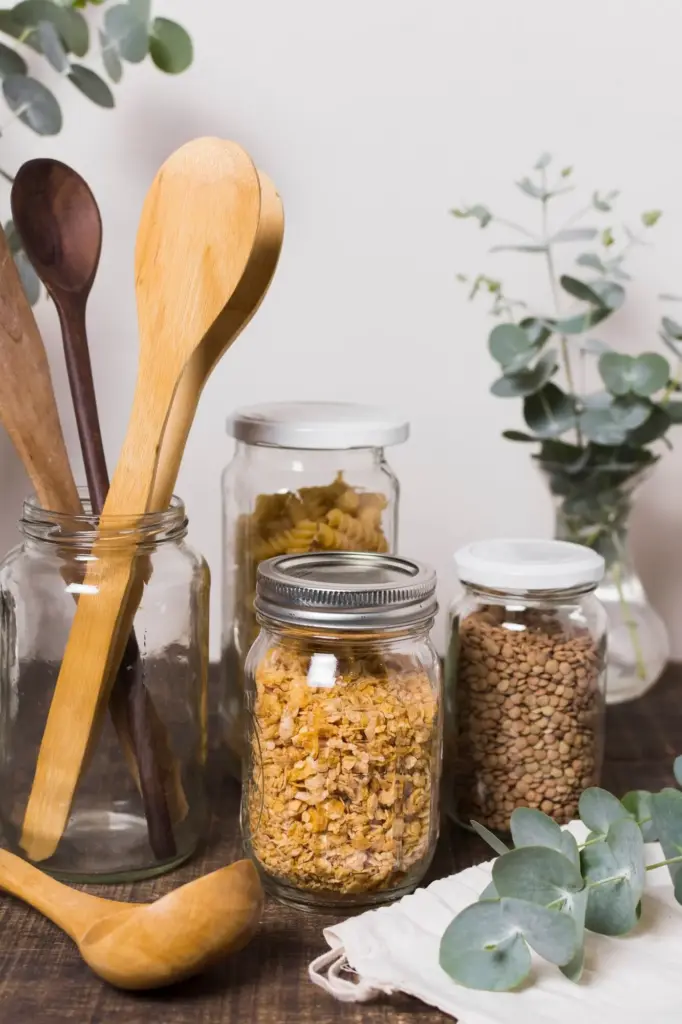
Find reliable refill sources close to home
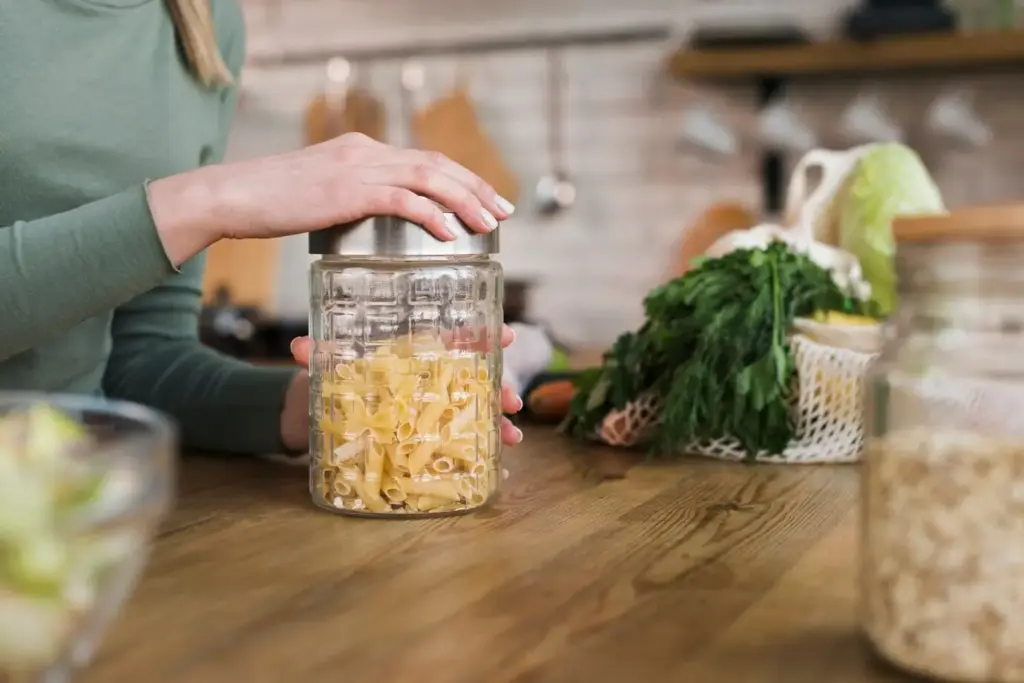
Search maps for bulk, zero-waste, and co-op stores, then call ahead about product lines and container policies. Many cleaning brands now offer refill pouches or returnable jugs. Farmer’s markets often host vendors selling bulk pantry goods. Keep a shared note listing addresses, hours, and best prices. Loyalty programs and bring-your-own-container discounts can quietly chop monthly costs without sacrificing quality.

Build reminders and frictionless cues

Place an “empties” tote by the door, and set a weekly calendar nudge tied to an existing habit, like Saturday groceries. Keep a pre-packed kit with a marker, labels, and clean funnels so you never hunt tools. A small whiteboard near the station tracks dwindling items. Smooth, predictable cues turn good intentions into routines that survive busy seasons and visiting relatives.

Community, Troubleshooting, and Continuous Improvement

Even careful setups hit snags, and shared wisdom solves them faster. Bent pump tubes, static cling, and mystery drips all have fixes. Share photos of your station, ask questions, and swap label templates with other readers. Tell us what worked in small apartments or busy households. Subscribe for future guides on decanting concentrates and safe DIY blends. Together we improve, season after season.

Common pitfalls and easy fixes

If pumps sputter, trim the dip tube at a slight angle and prime slowly. For static in dry goods, wipe scoops with a barely damp cloth. Drips often signal tired gaskets—replace rather than overtighten. Crowded shelves benefit from risers or lazy Susans. When powders bridge in funnels, tap gently or switch to a wider mouth. Small tweaks rescue daily comfort.

Show your setup and learn new tricks

Post a snapshot and list your favorite container sizes, shelf solutions, and label layout. Readers love seeing real-world constraints like rental cabinets and tiny sinks, because clever adaptations travel well. We’ll feature standout ideas in upcoming newsletters. Your photos inspire beginners, and beginners ask questions that surface new insights for veterans. The conversation keeps every station evolving gracefully.
Pemixalalamaxofifo
Privacy Overview

This website uses cookies so that we can provide you with the best user experience possible. Cookie information is stored in your browser and performs functions such as recognising you when you return to our website and helping our team to understand which sections of the website you find most interesting and useful.