Refill with Confidence: Safe Storage, Sanitation, and Shelf Life

Today we explore safe storage, sanitation, and shelf life when refilling essentials so your pantry staples, personal care products, and household cleaners stay effective, safe, and delightful to use. Expect practical checklists, science-backed insights, and realistic routines you can apply immediately. Share your own wins or lessons learned, subscribe for ongoing updates, and help build a smarter, safer refill culture in your home and community.

Setting Up a Hygienic Refill Station

A reliable refill station starts with a defined, cleanable zone that protects products from dust, pets, and splashes. Consider countertop materials, easy-to-wash mats, and a caddy of dedicated tools. Add a simple routine: clear clutter, sanitize, lay out containers, and only then decant. A short, consistent ritual prevents shortcuts, reduces contamination risk, and makes refilling feel calm rather than chaotic.

01

Surfaces and Tools That Won’t Betray You

Choose non-porous surfaces like sealed stone, stainless steel, or high-quality laminates that clean quickly and resist scratches where residue can hide. Keep a bin with funnels, measuring cups, silicone spatulas, and microfiber cloths used only for refilling. Color-code these tools, label them clearly, and store them dry to avoid mystery moisture that invites mold or bacteria between sessions.

02

Airflow, Humidity, and Light Control

Stable conditions protect sensitive products. Aim for low humidity and gentle airflow that won’t blow dust across open containers. Avoid direct sunlight, especially for oils and fragrances that degrade quickly under UV. If you cannot relocate, use amber bottles, opaque dispensers, and a small desk lamp with a warm bulb. Simple environmental control extends quality and reduces spoilage surprises.

03

Traffic Flow and Cross-Contamination Barriers

Refill only one product at a time, and physically separate food, personal care, and cleaners. Use trays to contain spills, and place a clean towel under containers to catch drips. Keep pets and kids out during transfers. When switching products, reset the station: change cloths, sanitize tools, and wash hands. This pause interrupts bad habits and keeps residues from hitchhiking.
Glass, Stainless, and High-Quality Plastics
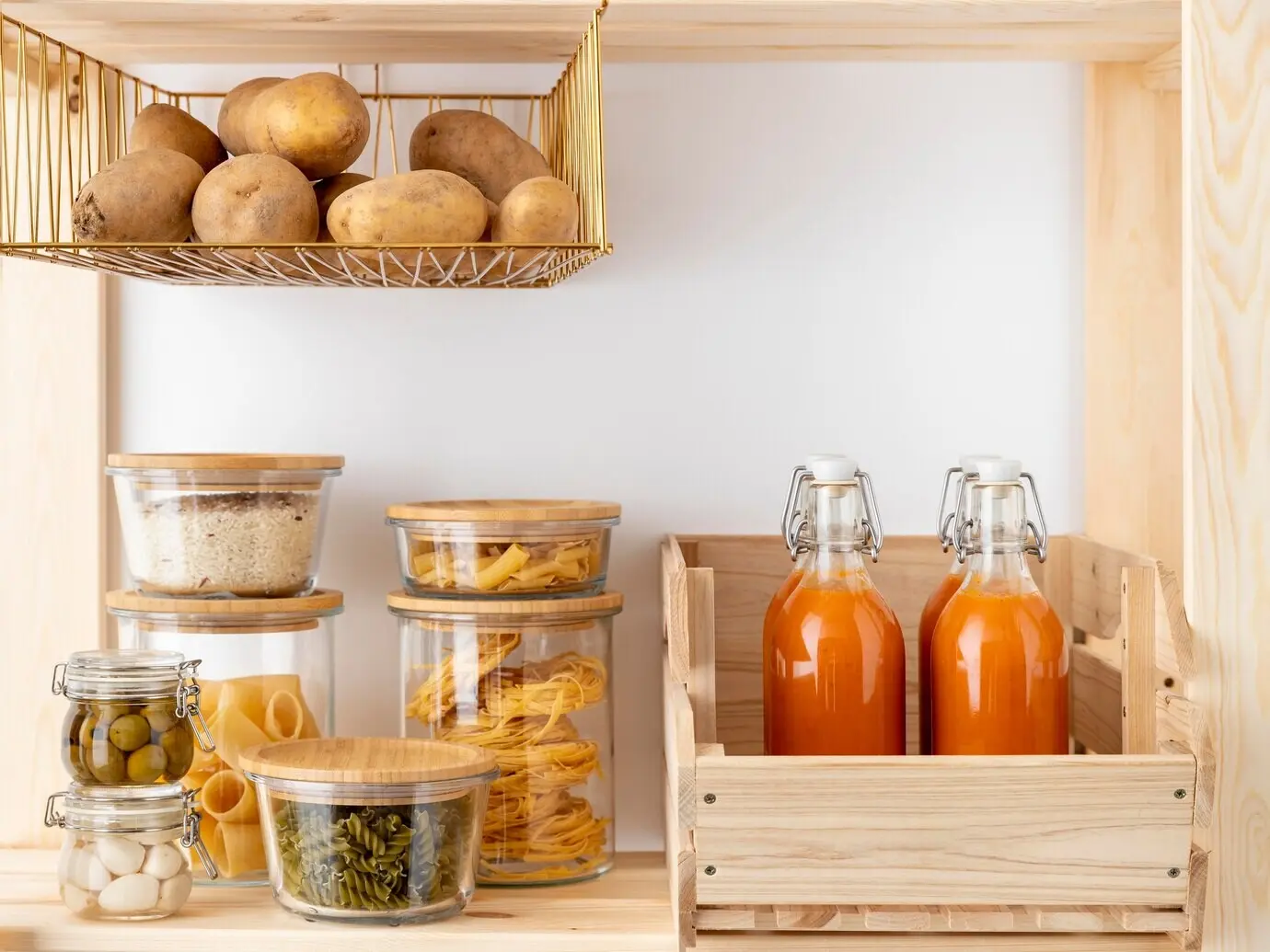
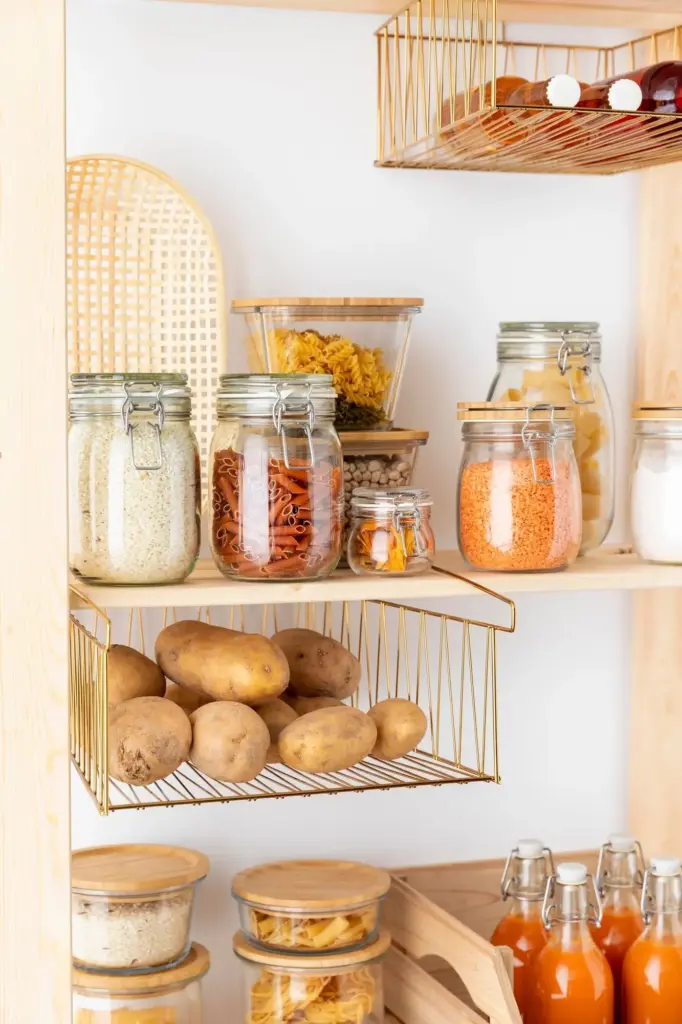
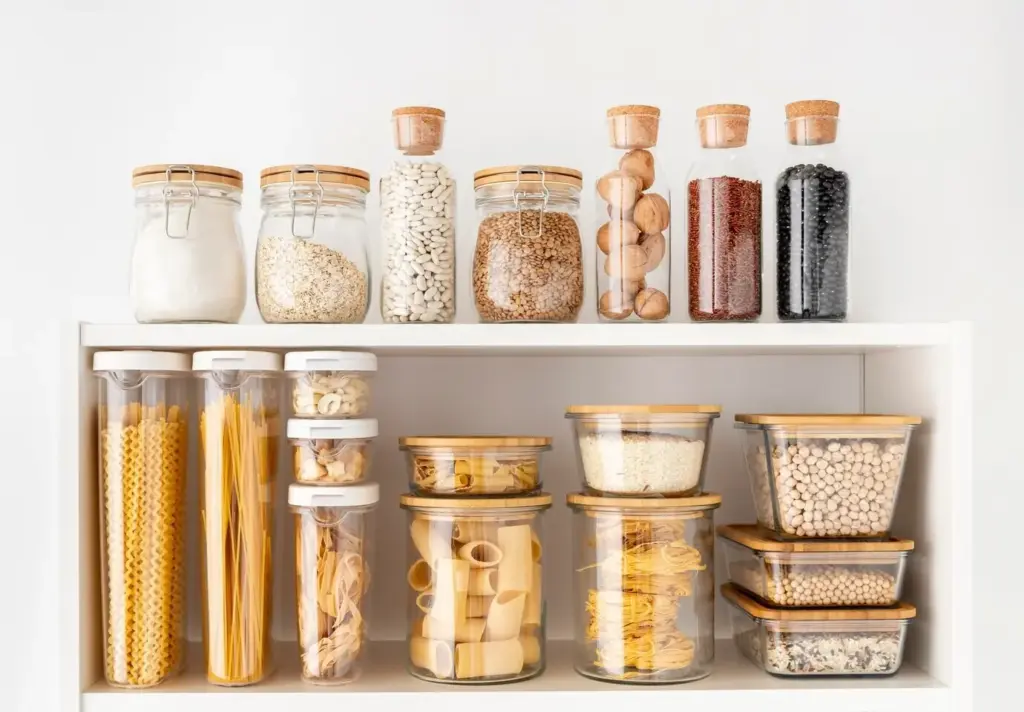
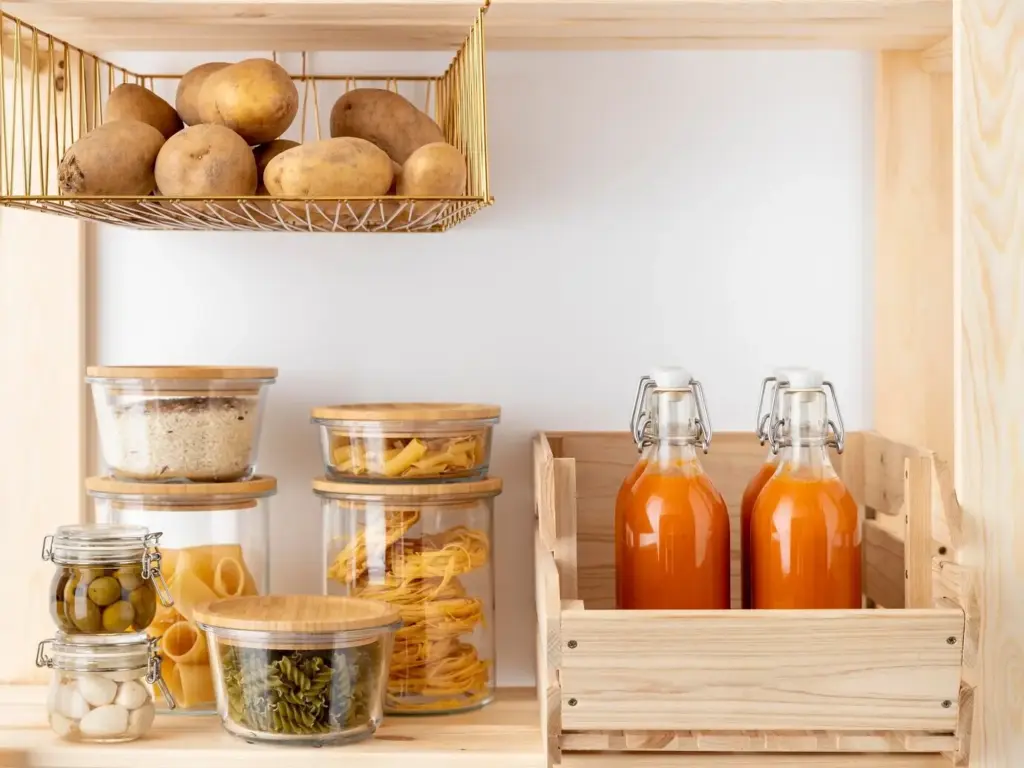
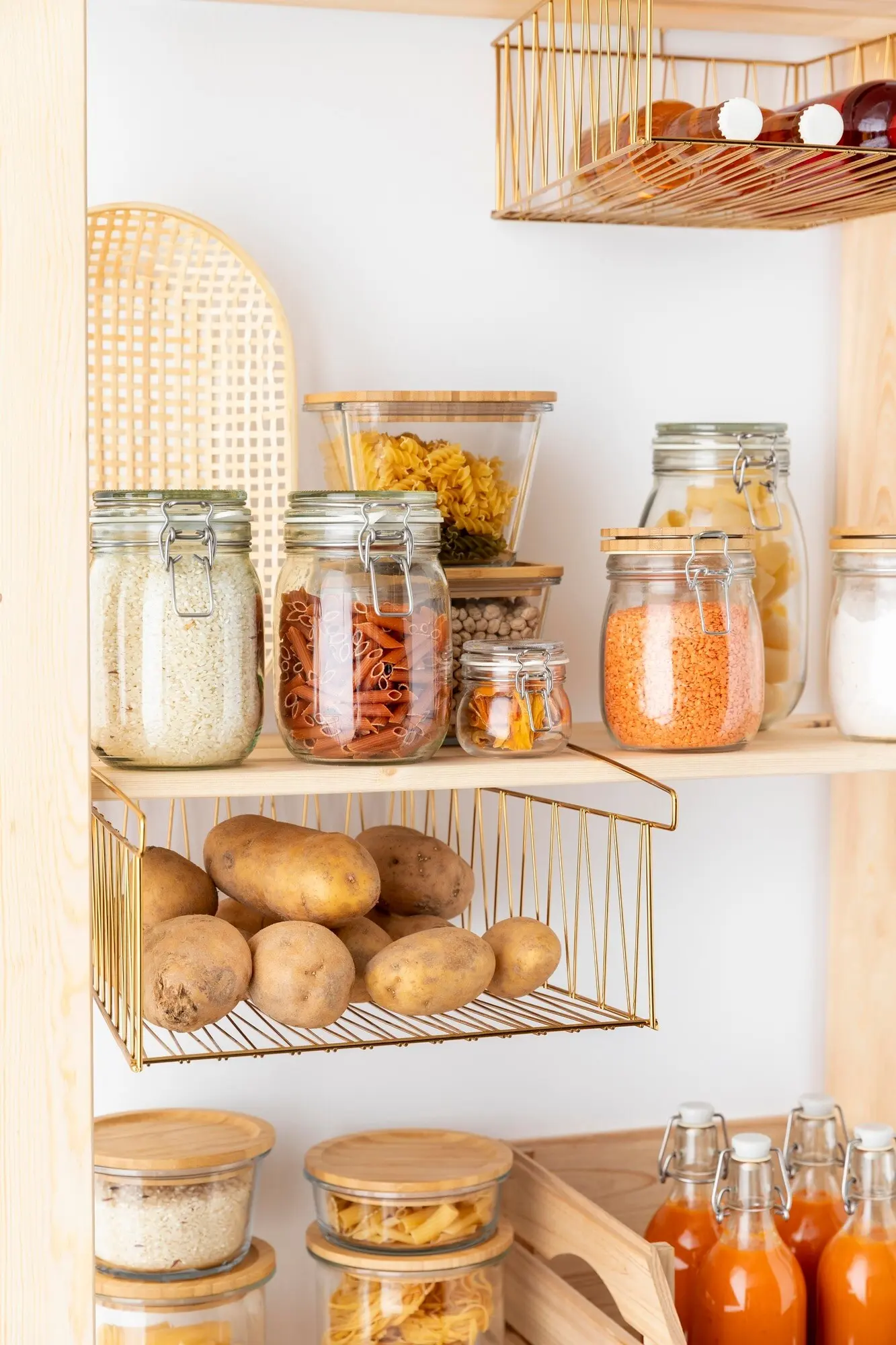
Glass excels for oils, acids, and aromatics, especially in amber or cobalt versions that shield light-sensitive contents. Stainless suits high-traffic dispensing and rugged use, resisting corrosion when properly maintained. For plastics, look for food-grade materials with clear specifications. Replace scuffed, cloudy, or stressed pieces promptly, since micro-cracks harbor residues and compromise sanitation despite careful washing.

Understanding Resin Codes and Migration Risks
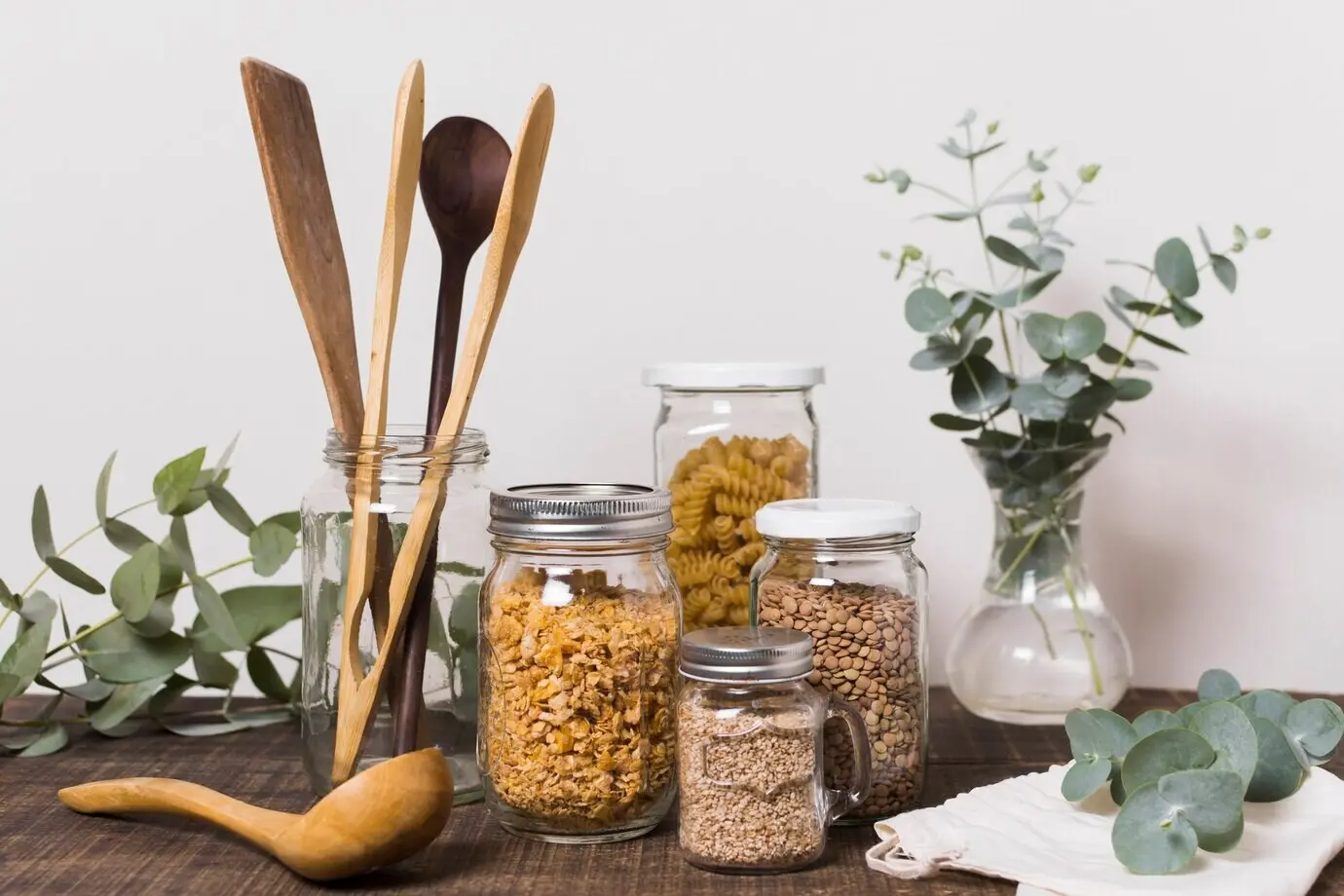
Resin codes offer clues about safety and compatibility, but manufacturing quality and additives also matter. Avoid unknown plastics for high-acid foods, essential oils, or solvents. Migration risk increases with heat and time, so never store problematic formulations in questionable containers. When uncertain, choose glass or stainless. Document pairings that work well, and share successful combinations with your household.

When to Retire a Container

Retire containers that smell off even after deep cleaning, show etched interiors, sticky valves, warped caps, or leaks around gaskets. Track service life with a discreet mark near the base. If you cannot verify what was last stored, do not use it for food or skin-contact products. Repurpose responsibly for non-consumables, or recycle when appropriate and allowed locally.

Sanitation Protocols That Actually Work

Three-Step Clean: Wash, Rinse, Sanitize

Start with a grease-cutting wash to remove visible soils and films. Rinse until water sheets cleanly with no suds. Sanitize using food-safe solutions or thermal methods appropriate for the item. Time and concentration matter: follow label instructions exactly. Finish by draining fully and air-drying on a clean rack away from splashes and dirty dish activity.

Choosing the Right Sanitizer

Select sanitizers based on the product category and container material. Diluted bleach, quats, peracetic acid, or alcohol each have strengths and limits. Avoid residues by precise dilution and contact time, verifying compatibility with seals and pumps. Keep a tiny log of what worked well. If fragrance lingers after drying, revisit rinsing steps or adjust concentrations thoughtfully.

Drying: The Underestimated Safety Step

Residual moisture encourages microbial growth and dilutes formulations. Allow containers and tools to air-dry upside down on a breathable rack. Use lint-free cloths only if necessary, and never trap dampness with immediate capping. Patience pays off: a thoroughly dry interior prevents diluted soaps, rancid oils, curdled lotions, and unwanted fizz in carbonated or reactive formulations.

Labeling, Dating, and Traceability

Batch Codes You Can Understand
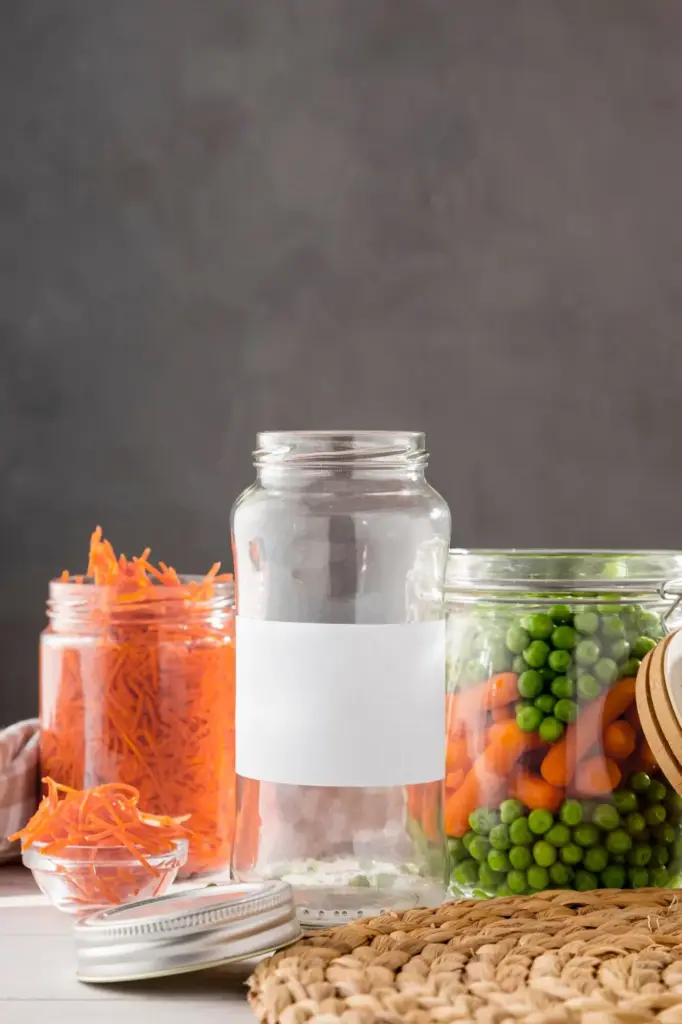
Design a plain-language code: supplier initials, purchase date, and refill date. For example, HC-2025-02-12 R-2025-03-01 instantly shows supply and transfer timing. If friends or family help, post a legend near the station. When products misbehave, that code shortens investigations and lets you contact vendors with accurate details rather than guesswork or fading memory.

Smart Labels and QR Notes

Use QR codes linked to a simple spreadsheet or note app. Store material compatibility, dilution ratios, sanitizer used, and expected shelf life once opened. Anyone scanning gets instant context and care instructions. Waterproof, oil-resistant labels stay legible through spills and wiping. This small upgrade pays off during hectic weeks when you cannot remember the last refill.

First-In, First-Out Without Stress

Place newest refills behind older ones and set gentle reminders on your phone. Use colored dots for months to create visual priority. During a quick weekly reset, rotate bottles, confirm cap tightness, and wipe dispensers. FIFO eliminates forgotten back-row containers, evens out consumption, and keeps products within their intended quality window without frantic audits.

Shelf Life Science for Refills

Shelf life depends on formulation, exposure to air and light, container material, and storage temperature. Track opened-on dates, know expected lifespans, and heed sensory clues. Learn how water activity, preservatives, and emulsions behave over time. Understanding why stability changes helps you adjust routines, choose smarter containers, and reduce waste without compromising safety or performance.

Refilling Foods, Personal Care, and Cleaners: Key Differences

Each category carries unique risks and handling needs. Foods demand strict allergen control and quick discard decisions. Personal care requires patch testing and pump hygiene. Cleaners must retain potency while avoiding accidental mixing. Tailor your tools, labels, and routines to the category in hand, and never decant cross-category with the same funnel, cloth, or drying rack.

Emergency Fixes and Common Mistakes

Even careful routines face hiccups: a damp bottle filled too soon, a funnel used for both vinegar and shampoo, or a mislabeled cleaner. Act quickly, isolate the issue, and document what happened. Build a friendly culture of reporting at home so everyone feels safe admitting small slips before they become larger problems.
Pemixalalamaxofifo
Privacy Overview

This website uses cookies so that we can provide you with the best user experience possible. Cookie information is stored in your browser and performs functions such as recognising you when you return to our website and helping our team to understand which sections of the website you find most interesting and useful.