Refills or Single‑Use? Choosing Smarter for Home and Planet

Today we explore cost and environmental impact when choosing refills instead of single‑use home products. We will compare real prices, waste outcomes, shipping emissions, and daily convenience, sharing simple formulas, lived experiences, and practical steps that help you save money, reduce trash, and keep routines effortless. Share your questions, subscribe for updates, and tell us what you are testing at home.

What the Numbers Reveal at the Checkout

Money matters, but clarity starts with consistent units and honest habits. We examine price per milliliter, per wash, and per week, accounting for concentration, dispenser output, and household size. Refills often shine after the first purchase, yet promotions, shipping, and storage can sway outcomes. With a few quick calculations, you can see true costs and stop guessing.

Footprints Beyond the Bin

Environmental impact hides throughout a product’s life. Refills can cut packaging weight, reduce transport emissions by shipping concentrates instead of water, and lower contamination risks that complicate recycling. Single‑use packaging often claims recyclability, yet collection, sorting, and market demand are uneven. Looking upstream and downstream clarifies real footprints and points to the greatest, most reliable gains.

Health and Hygiene Without Compromise

Refilling safely is straightforward with a few habits: clean containers, clear labeling, and mindful storage. Reputable refill products maintain proper preservatives and disclose ingredients. Single‑use formats feel tidy, yet contamination risks exist there too if caps stay open or bottles linger in steamy spaces. Thoughtful routines protect skin, surfaces, and the trust of everyone using shared supplies.
Rinse with warm water, wash with mild soap, and dry thoroughly to prevent dilution and microbial growth. For periodic deep hygiene, use diluted alcohol or a manufacturer‑approved sanitizer, then air‑dry fully. Replace worn pumps and sprayers that harbor residue. Clear, repeatable steps keep formulas stable and fragrances true, assuring confidence in every refill you prepare at home.
Every formula has a window of peak performance. Note manufacture or opening dates, and avoid stretching concentrates beyond recommendations. Preservatives protect efficacy, but they need compatible containers and proper storage away from heat and light. When in doubt, mix smaller batches more often. This ensures freshness, consistent cleaning power, and a pleasant experience that encourages continued reuse.

Convenience, Ritual, and Real Life

Savings only matter if routines stick. Refills succeed when they minimize friction: easy storage, clear tools, and fast mixing. Single‑use items win during hectic days because they feel grab‑and‑go. Merge these strengths by staging refill stations where action happens, pre‑measuring concentrates, and turning refill moments into brief rituals. Convenience sustains good intentions long after enthusiasm fades.

Case Studies Across the House

Practical comparisons illuminate trade‑offs. In laundry, concentrates and sheets slash packaging weight while matching cleaning power. Hand soap refills leverage foaming pumps to use less with the same sparkle. Multi‑surface sprays dilute from small capsules. Each category reveals different break‑even points, handling needs, and storage constraints, helping you tailor the approach room by room with confidence.

Laundry Liquids, Powders, and Lightweight Sheets

Traditional jugs haul water and thick plastic. Concentrated liquids, powders, and dissolvable sheets cut mass and cupboard chaos. Calculate loads per dollar, then test stain performance on real messes. Refill pouches reduce packaging dramatically, while compact boxes fit tiny spaces. Balance fragrance preferences with family sensitivities, and remember that a reliable scoop beats confusing cap markings.

Hand Soap, Foaming Pumps, and Gentle Savings

Foaming dispensers stretch diluted soap, cutting both spend and waste without sacrificing feel. Bulk refills or concentrated tablets simplify storage and reduce trips to the store. Keep spare pumps for guests and busy mornings. Track ml per push to avoid over‑dispensing. Small adjustments, multiplied by dozens of washes daily, deliver meaningful savings and lighter recycling bins every week.

Surface Sprays and Multi‑Room Utility

All‑purpose concentrates cover kitchens, bathrooms, and entryways with one base formula, simplifying inventory. Mix fresh batches for degreasing or light dusting as needed. Reusable sprayers with durable seals avoid leaks and last through many cycles. Label dilution ratios clearly to prevent waste. With consistent tools and refills, cleaning stays nimble, cheaper, and kinder to trash carts.

Waste Less Without Spending More
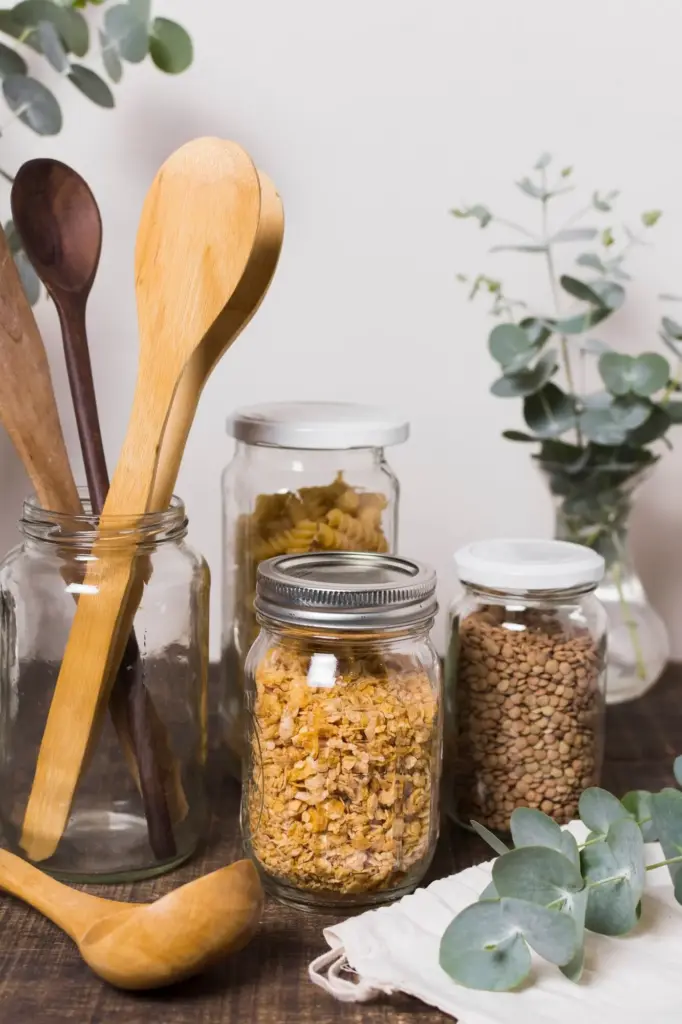
A few intentional moves unlock better outcomes quickly. Start by auditing your recycling and trash for a week, then target the biggest, most frequent items. Choose one durable container you enjoy using, build a small refill kit, and measure progress in both costs and kilograms avoided. Small wins compound into habits that feel good and stick around.

Begin Where Waste Piles Up Fastest

Look for repeat offenders: soap bottles, spray cleaners, and laundry jugs. Replace just one with a concentrate and track the change. Photograph your bin each week to visualize improvements. Seeing volume shrink motivates continued effort and helps family members notice the payoff. Focus converts abstract sustainability goals into measurable relief you can literally lift and carry.

Pick One Container to Champion

Choose a dispenser that fits your hand, refuses to leak, and looks good on the counter. When a container delights you, you will maintain it, refill it, and show others how. Keep a small repair kit with gaskets and a spare trigger. A beloved, reliable tool anchors the whole system and makes consistency almost automatic.

Track Savings, Celebrate Milestones, Share Wins

Record price per use, refill dates, and skipped purchases in a simple sheet or notes app. Highlight your first month breaking even and your first kilogram of packaging avoided. Share photos, tag friends, and compare blends. Community reinforcement turns quiet progress into shared momentum, keeps motivation strong, and helps neighbors discover options that work in real homes.

Signals from Innovators and Policy

Change gathers speed when design, retail, and law align. Brands are launching concentrates, reusable hardware, and in‑store refill walls. Retailers pilot bring‑back programs and standardized containers. Policymakers advance producer responsibility and packaging reduction targets. Together these shifts lower barriers, improve quality, and make smart choices easier at scale, so individual efforts add up to system‑level progress.

Retail Experiments Worth Watching

Look for refill kiosks, bulk liquid taps, and standardized bottle returns. Stores test labels with clear dilution ratios and on‑shelf price‑per‑use comparisons. When the shopping journey removes confusion, more households switch without friction. Share feedback with managers; early adopters shape offerings. Better signage, durable pumps, and sensible starter bundles smooth transitions and keep refill stations thriving.

Packaging Law and Producer Responsibility

Extended producer responsibility laws nudge companies to design lighter, recyclable, or reusable formats and fund collection systems. Deposit‑return frameworks improve capture rates for high‑value materials. These policies reward concentrates and multi‑cycle containers, making refills more available and affordable. Stay informed locally, support pragmatic rules, and watch how incentives quietly reshape shelves and bins over the next seasons.

Pemixalalamaxofifo
Privacy Overview

This website uses cookies so that we can provide you with the best user experience possible. Cookie information is stored in your browser and performs functions such as recognising you when you return to our website and helping our team to understand which sections of the website you find most interesting and useful.